
Published:
February 11, 2026
•
6
min read
•
By
Patrick Coughlin

In 2024, Americans over 60 years old reported $4.9 billion in losses to fraud, according to the FBI's Internet Crime Complaint Center—a 43% increase from the previous year. The actual losses are likely far higher: the Federal Trade Commission estimates the real cost to older adults may reach $81.5 billion when accounting for unreported fraud.
Scam calls remain one of the most common and devastating ways scammers reach older adults, with average losses of $83,000 per victim.
If you're worried about an aging parent, grandparent, or elderly neighbor, you're not alone. Understanding why scammers specifically target seniors is the first step toward protecting the people you love—without undermining their independence or dignity.
The numbers paint a troubling picture. In 2024, the FBI received 147,127 official complaints from Americans aged 60 and older and the average loss per victim was in the tens of thousands with approximately 7,500 older Americans losing more than $100,000 each.
Phone calls remain the most dangerous contact method for seniors:
According to the FTC's August 2025 analysis, 41% of older adults who lost $10,000 or more to business or government imposter scams were initially contacted by phone call—making it the leading contact method for high-loss scams.
The most common phone scams targeting seniors include:
Understanding scammer psychology isn't about blaming victims—it's about recognizing vulnerabilities so we can address them. Scammers are calculated criminals who exploit specific circumstances.
Many older Americans have spent decades building retirement savings, paying off mortgages, and accumulating assets. Scammers see this financial stability as an opportunity. This isn't about wealth making someone a target; it's about scammers knowing that older adults may have accessible funds in savings accounts, home equity, or retirement portfolios.
Seniors grew up in an era when a phone call typically meant legitimate business—a doctor's office, a family member, or a company you'd done business with. This generational experience creates a baseline trust that younger people, raised with caller ID and spam calls, simply don't have.
Approximately 1 in 4 Americans over 65 is considered socially isolated. Scammers exploit this isolation deliberately using social engineering tactics—some even spend weeks building relationships with victims before making financial requests. For isolated seniors, a phone call—even from a stranger—can feel like meaningful human contact. Scammers weaponize this need for connection.
According to AARP, 61% of seniors do not feel like they have the digital skills necessary to take advantage of opportunities provided by the internet and technology. Scammers know this and exploit these psychological trends to make seniors think they or somebody around them could have made an honest mistake.
Seniors are significantly less likely to report fraud than younger adults. A 2024 survey revealed why:
Other barriers include fear of judgment, fear of losing independence, and belief nothing can be done.
Recognizing early warning signs can prevent significant losses. Watch for:
Financial red flags:
Behavioral changes:
The single most important step is approaching the topic with respect. Lecturing or taking over finances can damage trust and actually make seniors more vulnerable.
Effective approaches include:
Establish family protocols before scams happen:
Help them set up basic call-blocking services offered by their carrier or device. Consider trusted third-party tools like Savi that are designed to protect users and their loved ones.
Address the root vulnerability. Encourage seniors to engage with their community through senior centers, faith-based groups, or in-person meet-ups around their hobbies.
If you discover a loved one has fallen victim to a scam, your response matters enormously.
Respond with support, not blame:
Take immediate steps:
Report the scam:
Scammers target seniors not because older adults are gullible or foolish, but because criminals are strategic predators who exploit specific circumstances—financial stability, generational trust, isolation, and the fear of losing independence.
Understanding these factors empowers you to have compassionate conversations, implement practical protections, and respond supportively if fraud occurs. The goal isn't to take control of a loved one's life—it's to create an environment where they feel safe discussing suspicious calls and asking for help.
At Savi, we believe everyone deserves protection from the criminals who exploit trust and connection.
Savi stops scams before they reach you or your loved ones.
Join the waitlist
Patrick Coughlin
Patrick Coughlin is a cybersecurity and technology expert with over two decades of hands-on experience at the intersection of technology, intelligence, and security. He has built teams, products and companies to protect governments and Fortune 500 enterprises from the most sophisticated cyber threats. When his mother was targeted with an AI-powered impersonation scam, the threat became personal. His debut book, Dark Side of the Boom, reveals the human cost of the growing AI-powered scam economy, explores the organized criminal networks and black-market engines that power it and offers clear-eyed strategies for how to better prepare and protect ourselves and our communities. Patrick is the co-founder and CEO of Savi Security and lives in Los Angeles with his wife, son and dog.
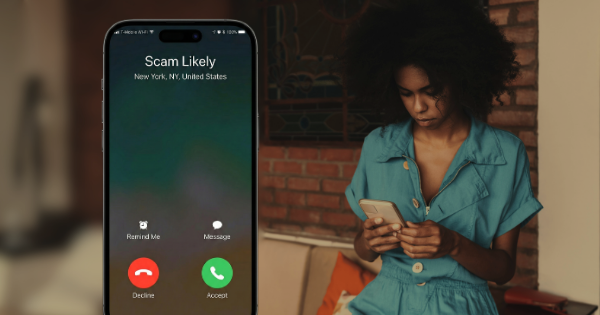
Learn how scam calls work, why caller ID spoofing makes them convincing, how scammers use AI and voice cloning, and steps to protect yourself from phone fraud.
4 min read
.png)
Caller ID spoofing lets scammers display any phone number they want on your screen using VoIP technology. Learn how phone number spoofing works, why STIR/SHAKEN isn't foolproof, and how to protect yourself from spoofed calls.
4 min read
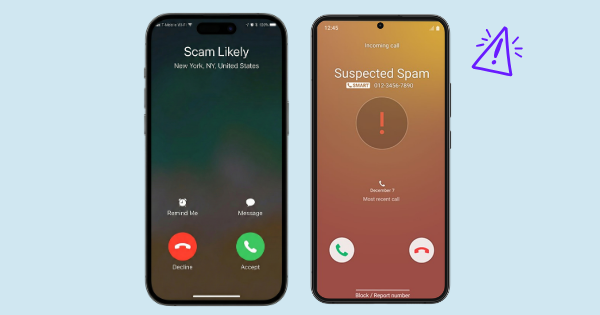
When your phone displays "Scam Likely," it means your carrier has flagged the call as suspicious using databases, pattern analysis, and caller ID authentication. Learn how accurate these warnings are and what to do when you see them.
4 min read
Upload any suspicious message for a free, instant scam check.
Try Scamwise — it's free