
Published:
February 22, 2026
•
7
min read
•
By
Patrick Coughlin
.png)
If you just received an unexpected call about a family member in trouble, there is a good chance it is a family emergency scam. These calls are designed to make you panic and send money before you have time to think. Here is how to tell if the call is real or a scam, and exactly what to do next.
If the call you received matches three or more of these, it is almost certainly a scam.
1. Extreme urgency. The caller says you must act immediately. They give you a deadline measured in minutes or hours. Real emergencies allow you time to verify.
2. Secrecy. The caller asks you not to tell other family members. Scammers need you isolated because one phone call to another family member will expose the fraud.
3. Unusual payment methods. The caller asks you to pay by gift card, wire transfer, cryptocurrency, or cash handed to a courier. No legitimate court, hospital, or law enforcement agency accepts bail or medical payments in these forms.
4. Name fishing. The caller says "It's me, Grandma" without using a specific name, waiting for you to guess. If you say a name, they adopt it. A real family member would not need you to guess who they are.
5. Handoff to an authority figure. After the panicked "family member" speaks, a calm second voice comes on claiming to be a lawyer, police officer, or doctor. This person provides specific payment instructions. Real professionals do not work this way.
6. Request to mislead your bank. The caller tells you what to say at the bank to prevent bank tellers from recognizing the scam and intervening.
Follow these steps before you send any money.
Step 1: Hang up. Tell the caller you need one minute and end the call. If the emergency is real, your family member will still be reachable when you call them back.
Step 2: Call your family member directly. Use the phone number you already have saved for them, not any number the caller gave you. If your grandchild or child answers and is safe, the call was a scam.
Step 3: Use your family code word. If your family has a shared code word or phrase for emergencies, ask the caller for it before taking any action. A scammer will not know it.
Step 4: Ask a personal question. If you are still on the line, ask something only the real person would know. Watch for vague or evasive answers.
Step 5: Call another family member. If you cannot reach the person who is supposedly in trouble, call their parent, sibling, or spouse. One confirmation call is all it takes to verify or disprove the story.
If you go through these five steps and something still feels off, trust your instincts. You can also check the message or call details with Scamwise, Savi's free scam checker, for an instant assessment.
Scammers now use AI voice cloning technology to replicate a family member's voice from as little as three seconds of audio, typically harvested from social media videos or voicemail greetings. Research shows that most people cannot reliably distinguish a cloned voice from a real one.
This means the voice alone is no longer a reliable way to verify the caller's identity. Even if it sounds exactly like your grandchild, follow the verification steps above. The family code word and the callback on a known number are the only methods that work against voice cloning.
If you have confirmed the call was a scam and you did not send money, you are safe. Block the number that called you. Report the call to the FTC at ReportFraud.ftc.gov. If the scammer used a specific name or scenario, consider alerting other family members so they are prepared if the same scammers try again.
Use this as an opportunity to set up a family code word if you do not already have one. A simple word or phrase that only real family members know can prevent these scams from succeeding in the future.
If you already sent money before realizing it was a scam, act immediately. Contact your bank or payment provider to request a reversal. For wire transfers, the first 72 hours are critical. For gift cards, contact the issuing company. File reports with the FTC and FBI IC3.
If you received a suspicious call, text, or voicemail about a family emergency and you are not sure whether it is real, you can check it instantly with Scamwise.
Scamwise is Savi's free scam checker. Paste the message, describe the call, or upload a screenshot, and Scamwise will analyze it and give you a verdict. It takes less than 30 seconds.

Patrick Coughlin
Patrick Coughlin is a cybersecurity and technology expert with over two decades of hands-on experience at the intersection of technology, intelligence, and security. He has built teams, products and companies to protect governments and Fortune 500 enterprises from the most sophisticated cyber threats. When his mother was targeted with an AI-powered impersonation scam, the threat became personal. Soon after, Patrick, along with his brother Ryan, founded Savi Security to help protect individuals and families from scams and fraud in the AI era. Patrick lives in Los Angeles with his wife, son and dog.

Seniors lost $4.9 billion to phone scams in 2024. Learn why scammers target elderly adults and discover compassionate ways to protect aging parents without undermining their independence.
4 min read
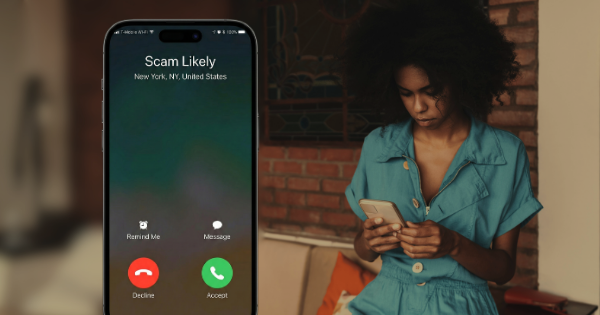
Learn how scam calls work, why caller ID spoofing makes them convincing, how scammers use AI and voice cloning, and steps to protect yourself from phone fraud.
4 min read
.png)
Stop the flood of scam calls without missing important calls. Learn how to use built-in phone features, carrier protections, and the Do Not Call Registry to drastically reduce robocalls and phone scams.
4 min read
Upload any suspicious message for a free, instant scam check.
Try Scamwise — it's free